Introduction to Freeoners and Its Digital Presence
The term freeoners has become increasingly visible in online search trends, often sparking curiosity among users who encounter it for the first time. While the keyword may seem unusual at first glance, it is commonly associated with adult entertainment platforms or content directories that focus on organizing and presenting media related to public figures in the adult industry. In many cases, users searching for freeoners are actually looking for information about adult content databases, performer listings, or entertainment platforms that curate profiles and media in a structured way.
Understanding freeoners requires looking beyond the surface-level keyword and exploring the broader ecosystem of adult entertainment websites and digital media directories. The internet has evolved into a vast network of niche platforms, each serving specific user interests, and freeoners fits into this category as a term often linked with curated adult content indexing. However, the meaning and usage of the keyword can vary depending on context, search intent, and regional usage patterns.
In this comprehensive guide, we will explore the concept of freeoners in depth, including its meaning, background, functionality, user intent, and its place within the digital entertainment industry. The goal is to provide a clear, structured, and informative explanation that helps readers fully understand the keyword and its relevance in modern online search behavior.
Understanding the Meaning of Freeoners in the Digital Landscape
The keyword freeoners is most commonly associated with adult entertainment content directories or indexing platforms. In many cases, it is closely linked or confused with similarly named platforms that host or catalog information about adult performers, videos, or related media. These platforms typically serve as search engines or databases rather than content creators themselves.
At its core, freeoners represents a concept of organized access to categorized media within a specific entertainment niche. Instead of hosting original productions, such platforms usually aggregate publicly available information or curated listings to help users navigate a large volume of content more efficiently. This type of structure is not unique to adult entertainment; it is also seen in movie databases, music libraries, and other media catalog systems.
The keyword also reflects a broader trend in online behavior where users search for simplified access points to large entertainment libraries. Rather than browsing through multiple websites, users often prefer centralized directories that organize content in a searchable and structured format. Freeoners, in this sense, symbolizes that demand for streamlined digital discovery.
The Origin and Evolution of Freeoners as a Search Term
The origin of freeoners as a keyword is closely tied to the evolution of adult entertainment websites and digital indexing systems. As the internet expanded and content volume increased, the need for organized categorization became more important. Early adult websites were often simple video repositories, but over time, more advanced platforms emerged that focused on tagging, categorization, and performer-based indexing.
Freeoners likely developed as part of this broader ecosystem, either as a brand name variation or as a commonly misspelled or alternative search term associated with established adult directories. Over time, search engines began recognizing the keyword due to repeated user queries, which contributed to its visibility and relevance in search trends.
The evolution of freeoners also reflects how user behavior shapes digital terminology. When users repeatedly search for similar-sounding names or concepts, those terms gradually become part of the online lexicon, even if their origin is unclear or fragmented. This phenomenon is common in digital culture, where branding, misspellings, and alternative spellings merge into widely recognized search terms.
How Freeoners Platforms Typically Function in Online Ecosystems
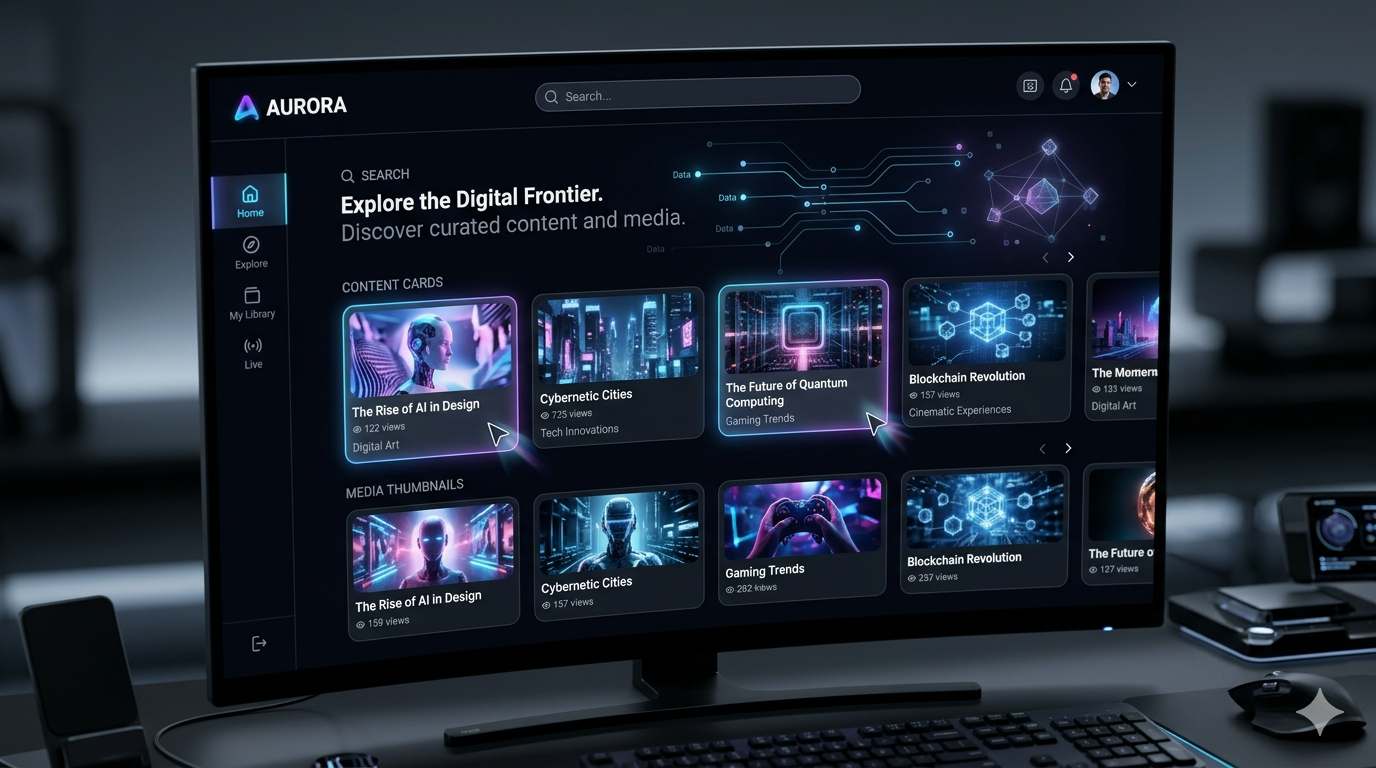
Platforms associated with the concept of freeoners generally operate as structured content directories. These systems are designed to help users search, filter, and explore large collections of media based on specific criteria such as performer names, categories, or content types.
In most cases, these platforms do not produce original content. Instead, they act as aggregators or indexing systems that organize available information from multiple sources. This allows users to quickly locate specific media without needing to browse through unrelated material.
A key aspect of how freeoners-style platforms function is their reliance on metadata. Metadata includes descriptive information such as names, tags, categories, and other identifiers that make content searchable. Without metadata, large-scale digital libraries would be nearly impossible to navigate efficiently.
Another important functional element is user interface design. These platforms typically prioritize search functionality, quick navigation, and categorized browsing. The goal is to reduce friction between user intent and content discovery. In many cases, the success of such platforms depends heavily on how easily users can find what they are looking for.
The Role of Freeoners in Online Content Discovery
Freeoners, as a keyword, is closely tied to the concept of content discovery in the digital age. With millions of media files available online, users often rely on structured systems to filter and locate relevant material. This is especially true in entertainment industries where content volume is extremely high.
Content discovery platforms serve as intermediaries between raw content and user demand. Instead of manually searching through countless websites, users can access centralized databases that organize information logically. Freeoners represents this idea of simplified discovery through categorization and indexing.
The importance of content discovery has grown significantly with the expansion of digital media consumption. Users now expect fast, accurate, and personalized search results. Platforms associated with freeoners attempt to meet these expectations by offering searchable databases and categorized listings.
This model has influenced many other industries as well, including streaming services, e-commerce platforms, and music libraries. The underlying principle remains the same: organize large datasets in a way that makes user navigation intuitive and efficient.
User Intent Behind Searching Freeoners
Understanding user intent is essential when analyzing any keyword, and freeoners is no exception. Most users who search for this term are typically trying to locate a specific type of online platform or content directory. In many cases, they may already have prior knowledge of similar websites and are attempting to reach a particular destination.
There are several possible motivations behind such searches. Some users may be looking for performer information, others may be searching for media categorization platforms, and some may simply be exploring entertainment options within a specific niche. In all cases, the intent revolves around discovery and access.
Search engines interpret these queries based on historical data, relevance, and contextual patterns. As a result, freeoners becomes associated with adult content indexing and entertainment databases. The consistency of this association reinforces its position within search engine results.
It is also important to note that user intent can evolve over time. As platforms change or rebrand, users may continue using older or alternative keywords, contributing to the persistence of terms like freeoners in search ecosystems.
Features Commonly Associated with Freeoners-Type Platforms
Platforms that fall under the freeoners category typically share several common characteristics. These features are designed to improve usability, enhance search efficiency, and provide structured access to large volumes of content.
One of the most important features is advanced search functionality. This allows users to filter content based on specific criteria, making it easier to locate relevant material quickly. Search systems may include keyword matching, category filtering, and alphabetical browsing.
Another common feature is content categorization. By organizing media into structured groups, platforms make it easier for users to navigate large libraries. Categories may be based on themes, performer names, or content types.
User interface simplicity is also a key feature. Most platforms prioritize clean layouts and straightforward navigation to ensure users can find what they need without unnecessary complexity. This focus on usability is essential in high-traffic digital environments.
Additionally, some platforms may include profile pages or informational sections that provide background details about performers or content creators. These pages help users understand context and explore related material more efficiently.
The Importance of Digital Categorization in Freeoners Systems
Digital categorization is one of the most important aspects of platforms associated with freeoners. Without proper organization, large collections of media would become nearly impossible to navigate. Categorization helps structure content in a meaningful way, allowing users to filter and refine their searches.
This system typically relies on tagging and metadata assignment. Each piece of content is labeled with relevant identifiers that describe its characteristics. These identifiers are then used by search engines within the platform to generate accurate results.
Categorization also improves user satisfaction by reducing search time and increasing relevance. When users can quickly find what they are looking for, they are more likely to continue using the platform. This makes categorization a critical factor in platform success.
In a broader sense, digital categorization reflects how humans naturally organize information. People tend to group similar items together to make sense of large datasets, and online platforms replicate this behavior through structured databases.
Safety, Privacy, and Ethical Considerations Around Freeoners
Whenever discussing platforms associated with freeoners, it is important to address safety, privacy, and ethical considerations. Users engaging with any online content platform should be aware of how their data is handled and what privacy protections are in place.
Many modern websites implement security measures such as encrypted connections and privacy policies designed to protect user information. However, not all platforms maintain the same level of security, making it essential for users to be cautious when navigating unfamiliar sites.
Ethical considerations also play a role in how content is indexed and shared online. Responsible platforms typically ensure that content is properly licensed and that creator rights are respected. This helps maintain a fair and transparent digital ecosystem.
Users should also be mindful of their own digital footprint when interacting with any online platform. Understanding how browsing data is collected and used is an important part of maintaining online privacy in today’s digital environment.
Alternatives and Related Digital Platforms
The digital landscape includes many platforms that function similarly to the concept of freeoners. These alternatives typically focus on content aggregation, indexing, or media discovery within specific entertainment categories.
Some platforms emphasize performer databases, while others focus on video categorization or streaming services. Despite differences in design and purpose, they all share the common goal of organizing large amounts of content in a user-friendly way.
The existence of multiple platforms in this space highlights the demand for structured digital access. Users prefer systems that allow them to quickly find relevant content without unnecessary complexity. This demand drives continuous innovation in platform design and search functionality.
As technology evolves, new platforms continue to emerge, offering improved interfaces, better search capabilities, and more refined categorization systems. This ongoing development ensures that users have access to increasingly efficient tools for content discovery.
The Role of SEO and Search Trends in Freeoners Popularity
Search engine optimization plays a significant role in the visibility of keywords like freeoners. When users repeatedly search for a term, search engines begin to associate it with specific content categories. Over time, this creates a feedback loop that reinforces the keyword’s relevance.
The popularity of freeoners is also influenced by search behavior patterns. Users often rely on autocomplete suggestions, related searches, and historical browsing data when forming queries. These factors contribute to the persistence of certain keywords in search ecosystems.
From an SEO perspective, keywords like freeoners are valuable because they represent niche search intent. Even if the term is not widely understood, it still generates consistent traffic due to user curiosity and repeated usage.
Understanding these patterns is essential for analyzing how digital content is discovered and consumed. It also highlights the importance of structured data and metadata in improving search visibility.
The Future of Freeoners and Digital Content Indexing
The future of platforms associated with freeoners will likely be shaped by advancements in artificial intelligence, machine learning, and data organization technologies. These innovations are already transforming how content is categorized and delivered to users.
Artificial intelligence can improve search accuracy by analyzing user behavior and predicting intent more effectively. This leads to more personalized content recommendations and faster discovery processes.
Machine learning systems also enhance tagging and categorization by automatically identifying patterns within large datasets. This reduces the need for manual organization and improves overall efficiency.
As digital content continues to grow, the importance of structured indexing systems will only increase. Platforms that can adapt to these changes will remain relevant and continue to meet user expectations in an evolving digital landscape.
Conclusion: Understanding the True Meaning of Freeoners in Context
The keyword freeoners represents more than just a search term. It reflects a broader digital ecosystem built around content discovery, categorization, and structured access to large media libraries. While its exact origin may vary depending on context, its association with organized entertainment databases is clear.
Throughout this article, we have explored the meaning of freeoners, its evolution, functionality, user intent, and its role within online content ecosystems. We have also examined its relationship with search trends, digital categorization, and future technological developments.
In a world where information is constantly expanding, platforms and keywords like freeoners highlight the importance of organization and accessibility. They demonstrate how users interact with digital systems and how search behavior shapes the structure of online content.
Ultimately, understanding freeoners provides insight into the broader mechanisms of the internet itself. It shows how language, technology, and user behavior come together to form the foundation of modern digital discovery.