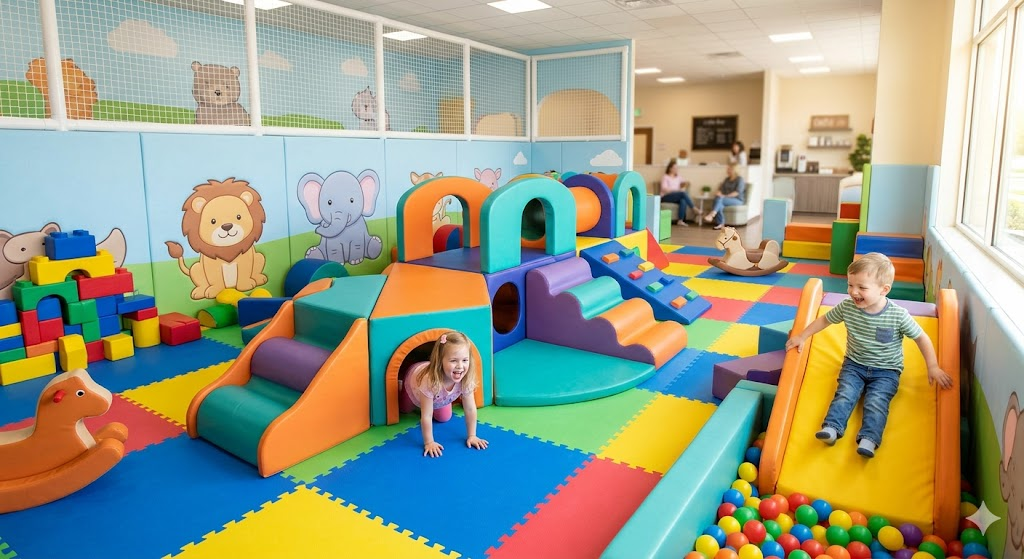
Have you ever watched your child light up when they enter a colorful, squishy world of foam blocks and ball pits? That is the magic of Soft for Play environments. These spaces are more than just a place to burn off energy; they are carefully designed areas that help your little ones grow, learn, and stay safe while having the time of their lives. Whether you are a parent setting up a corner at home or a business owner creating an indoor playground, understanding why soft for play options are so important is the first step toward creating a perfect activity zone.
What Exactly Is Soft for Play?
At its heart, soft for play refers to indoor areas filled with cushioned, padded equipment. Think of big foam shapes, soft tunnels, and foam mats. These spaces are built for children to climb, jump, and crawl without the worry of hard surfaces or sharp corners. By using materials like soft vinyl and high-density foam, soft for play setups ensure that every tumble is met with a soft landing. It creates a space where kids feel bold enough to try new physical challenges every single day.
Why Kids Love Soft for Play
Children are naturally curious and love to move. A soft for play area gives them the freedom to explore at their own pace. They can jump into a ball pit, build a castle with big blocks, or navigate a soft maze. Because everything is designed to be soft for play, kids don’t have to hold back. They feel safe, which helps them become more confident in their abilities. It is truly a joy to see them gain independence through these gentle, interactive, and colorful play experiences.
The Big Benefits of Sensory Play
Soft for play activities are fantastic for a child’s senses. When a child touches a squishy block or crawls through a textured tunnel, they are learning about their world. This sensory engagement is a huge part of early development. It helps them understand how their body moves in a space. Because soft for play is so interactive, it naturally encourages children to use their imagination while strengthening their muscles and developing better balance in a fun, pressure-free way.
Boosting Physical Skills Safely
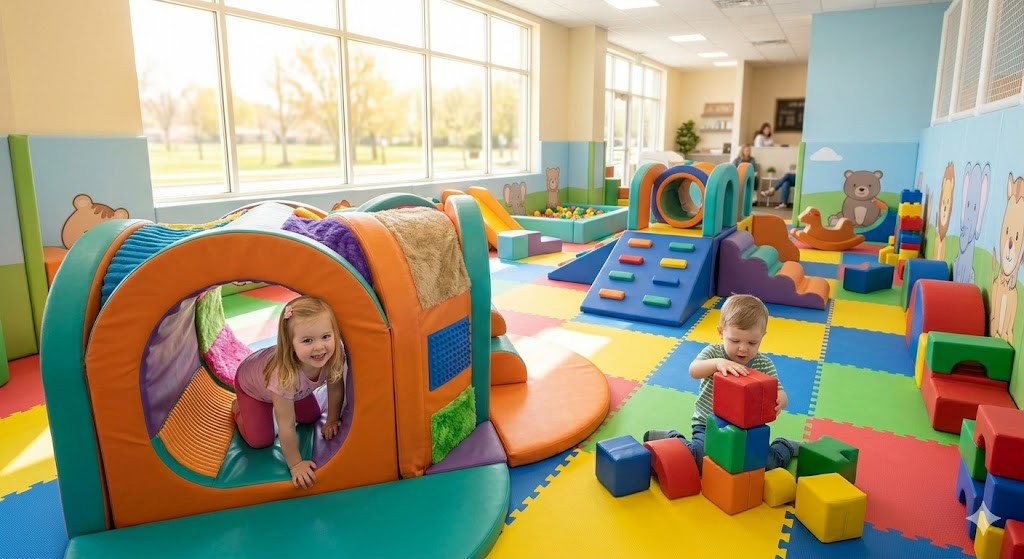
One of the best things about a soft for play environment is how it builds gross motor skills. When children climb over foam ramps or balance on soft beams, they are working on their core strength and coordination. Since the gear is soft for play, parents can relax knowing their child is safe. This physical activity is vital for growing bodies. It turns exercise into a game, which is the best way to help children stay active and healthy throughout their early years.
Encouraging Social Interaction
Soft for play spaces are perfect places for kids to make new friends. When children play together in a shared area, they start to learn important life skills like sharing, waiting their turn, and communicating. Whether they are working together to build a tower with foam pieces or chasing each other through a tunnel, soft for play promotes teamwork. It’s heartening to watch kids negotiate the rules of a game and cooperate to make their play time even more exciting.
Choosing the Right Equipment
If you are planning to add soft for play items to your home or office, quality is everything. Look for durable materials that are easy to wipe clean and keep sanitary. Always check that the foam density is right for your child’s age and weight. When selecting soft for play sets, consider the size of your space and the specific activities you want to encourage. It’s always better to start small and add pieces as your children grow or your business expands.
Safety Guidelines You Should Know
Even in a soft for play area, safety is the top priority. Always make sure the floor is properly padded to protect against any accidental slips. Check the equipment regularly for any wear and tear to ensure it stays in top shape. A good soft for play setup should be inspected for loose edges or damage. By following basic safety rules, like keeping the area clear of debris, you ensure the space remains a secure haven for every child who enters.
Cleaning and Maintenance Tips
Keeping your soft for play area clean is quite simple but very important. Use a mild soap and water solution to wipe down all surfaces daily. For deeper cleaning, follow the manufacturer’s instructions for any sanitizing sprays. Since soft for play gear is often used by many children, staying on top of hygiene is key to keeping everyone healthy. A clean play area is a happy play area, and it helps your equipment last for many years of fun.
Why Quality Matters for Longevity
Investing in high-quality soft for play equipment is an investment in your child’s future. Cheap or poorly made foam can collapse or tear quickly. On the other hand, well-made soft for play items maintain their shape and safety features for much longer. When you choose durable, high-quality materials, you ensure that the play area stays inviting and safe. It’s worth the extra effort to find reputable suppliers who prioritize child safety and material quality.
Creating a Home Play Oasis
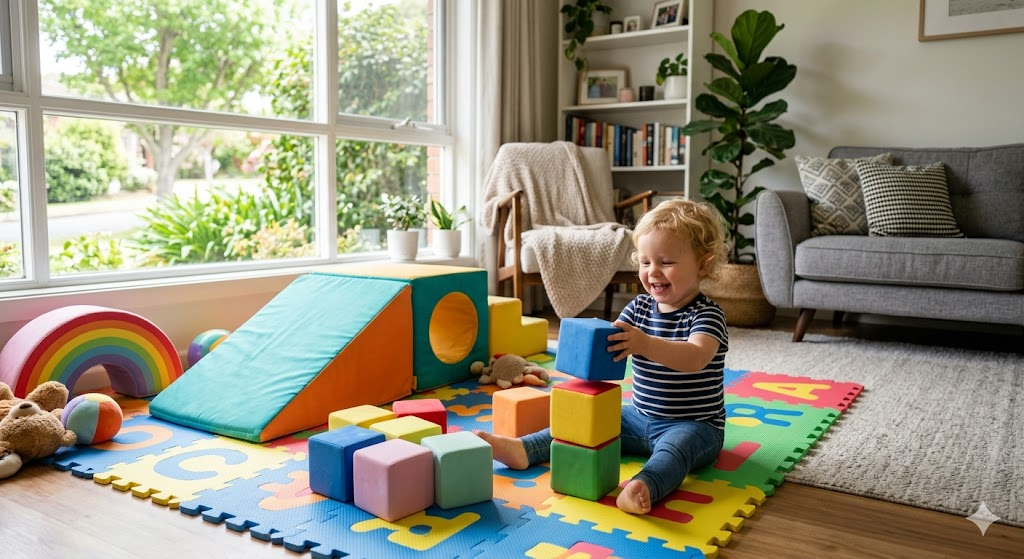
You don’t need a massive commercial space to enjoy the benefits of soft for play at home. A small corner in the living room with a few foam mats and some stacking blocks can work wonders. This simple addition creates a dedicated space where your child can relax and play safely. When you bring soft for play into your own home, you are providing a wonderful, stimulating environment that encourages daily growth and lots of smiles.
Detailed Summary Table: Soft for Play Essentials
| Feature | Why it Matters | Recommendation |
| Material | Provides safety and cushion. | Non-toxic, wipeable vinyl. |
| Space | Allows for free movement. | Keep clear of hard furniture. |
| Durability | Ensures long-term use. | Choose high-density foam. |
| Cleanliness | Prevents germ spread. | Daily cleaning with mild soap. |
| Engagement | Develops motor skills. | Use varied shapes and textures. |
Frequently Asked Questions
1. Is “soft for play” equipment safe for toddlers?
Yes, it is designed specifically for young children, offering cushioned surfaces that prevent injuries during active play.
2. How do I clean foam play blocks?
Use a damp cloth with mild soap and water. Avoid harsh chemicals that could damage the vinyl covering.
3. What are the benefits of soft play for child development?
It helps improve gross motor skills, balance, coordination, and encourages social interaction and imaginative play.
4. Can I use soft play equipment outside?
It is best for indoor use. Outdoor exposure can cause the material to degrade or become too hot under the sun.
5. How much space do I need for a soft play area?
Even a small 5×5 foot corner can be enough to start with a few blocks, mats, and a small tunnel.
6. Does soft play help with sensory processing?
Yes, the different textures, colors, and shapes help children process sensory input in a controlled and safe way.
Conclusion
“Soft for play” environments are a fantastic way to support your child’s growth while keeping them safe and happy. From building physical strength to learning social skills, the benefits are truly endless. Whether you are a parent or a business owner, investing in these soft, engaging spaces creates memories that last a lifetime. Are you ready to build your own play oasis? Start small, focus on quality, and watch your children thrive in their new favorite spot!