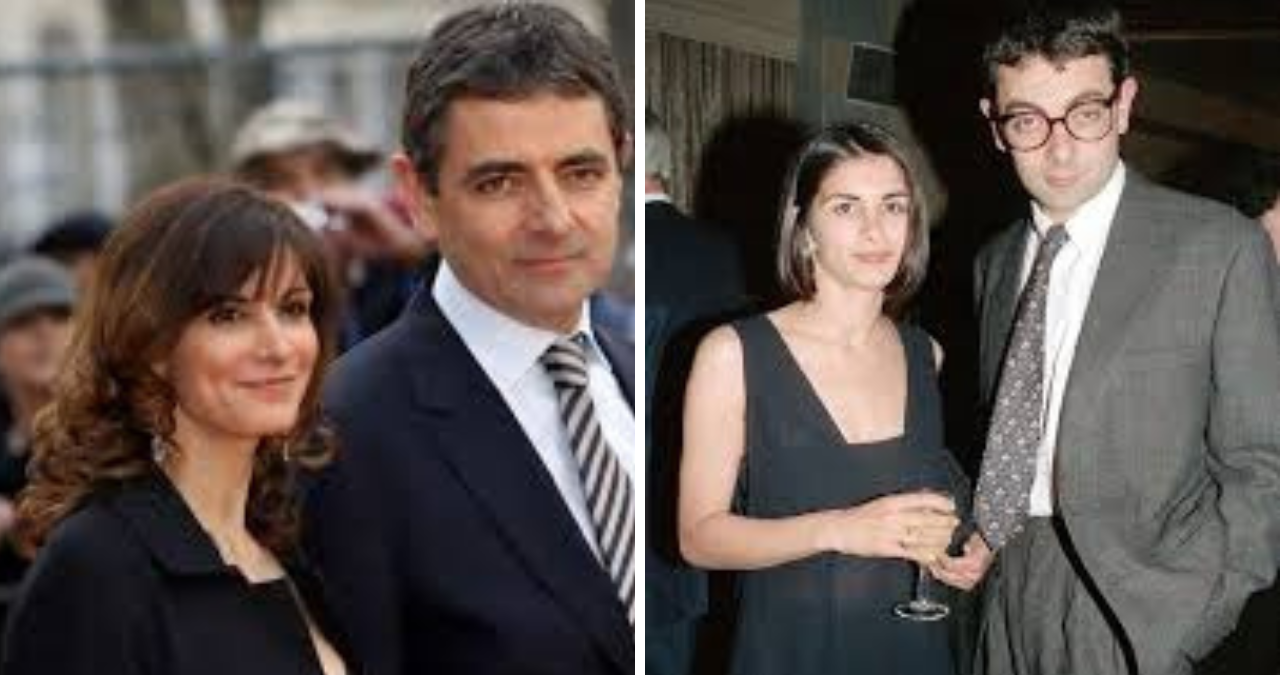
Introduction
Sunetra Sastry is a name that often appears in public searches because of her past marriage to Rowan Atkinson, the world famous British actor and comedian best known for playing Mr Bean and Edmund Blackadder. However, reducing Sunetra Sastry only to the role of a celebrity spouse does not give readers a complete or fair understanding of her life. She has her own identity, her own professional background, and her own story within the wider world of British television and entertainment.
Unlike many people connected to famous personalities, Sunetra Sastry has chosen a quiet and private life. This makes public curiosity about her even stronger. People want to know who she is, what she did professionally, how she met Rowan Atkinson, what her family life was like, and why she remains such a low profile figure despite being connected to one of the most recognizable comedians in the world.
The story of Sunetra Sastry is not about fame in the usual sense. It is about professional creativity, personal dignity, cultural identity, family life, and the importance of privacy in an age where public attention can easily become overwhelming. She worked behind the camera, contributed to the entertainment industry through makeup artistry, and later became known to the public because of her long marriage to Rowan Atkinson. Yet throughout all of this, she avoided unnecessary publicity and maintained a calm distance from celebrity culture.
This article explores Sunetra Sastry in depth. It looks at her background, career, marriage, family, public image, and lasting relevance. It also explains why her name continues to attract interest and what readers can learn from the way she has handled public attention. The goal is to provide a complete, respectful, and easy to understand guide to Sunetra Sastry without relying on gossip or exaggeration.
Who Is Sunetra Sastry
Sunetra Sastry is best known as a British makeup artist and the former wife of Rowan Atkinson. She became publicly recognized because of her relationship with Atkinson, but her professional work came before her public visibility. She worked in makeup for television and was associated with the creative environment of British broadcasting during a period when television comedy was becoming especially influential.
Makeup artists often work away from the spotlight, but their role is essential. They help shape how performers appear on screen, support character creation, maintain visual continuity, and contribute to the overall style of a production. In comedy, makeup can be especially important because facial expression, costume, physical performance, and character design all work together. Sunetra Sastry’s work belonged to this behind the scenes world, where skill is visible in the final result even when the artist remains unknown to most viewers.
For many readers, the first association with Sunetra Sastry is her marriage to Rowan Atkinson. The couple married in 1990 and had two children together. Their relationship lasted for many years before they separated and later divorced. Because Rowan Atkinson is a global figure, public interest naturally extended to his family. Sunetra Sastry became part of that public conversation, even though she herself did not seek the same level of attention.
Her life is therefore often discussed through two connected lenses. The first is her career as a makeup artist. The second is her connection to a famous entertainer. A balanced understanding requires both, but it should also recognize that she is a private individual whose full life cannot be defined only by public records or media coverage.
Early Life and Background
Public information about Sunetra Sastry’s early life is limited, which reflects her lifelong preference for privacy. She has not built a public brand around her personal history, nor has she used media attention to create a celebrity image. This makes her different from many people who become publicly known through association with famous partners.
What is generally known is that Sunetra Sastry came from a multicultural background. This has often been mentioned in profiles about her, especially in relation to her identity and appearance. Her heritage is part of what makes her story interesting to readers, particularly because she entered a British entertainment environment during a time when diversity behind the scenes was less visible than it is today.
Her decision to pursue makeup artistry suggests a creative personality and an interest in visual presentation. Makeup artistry is not simply about applying cosmetics. It requires technical knowledge, patience, observation, and the ability to understand how lighting, camera angles, skin tone, costume, and character design interact. For someone working in television, the job can be demanding because production schedules are intense and accuracy matters.
Although many details of her childhood and education are not widely publicized, it is clear that Sunetra Sastry followed a professional path that required artistic discipline. Her career placed her in an environment where she interacted with performers, directors, production teams, and other creative workers. This background helps explain how she eventually crossed paths with Rowan Atkinson.
Sunetra Sastry as a Makeup Artist
Sunetra Sastry’s professional identity is closely tied to makeup artistry. In television, makeup artists are part of the foundation of a production. Their work influences how characters are received by audiences, how actors feel in front of the camera, and how believable a visual world becomes.
A makeup artist must understand more than beauty. Television makeup can include corrective work, period styling, aging effects, character enhancement, continuity management, and quick adjustments between scenes. The artist needs to be calm under pressure and sensitive to the needs of performers. Actors often rely on makeup artists not only for technical work but also for a steady presence before filming begins.
Sunetra Sastry worked in this demanding environment. Her association with British television is one reason her name still appears in searches related to classic comedy. British comedy during the 1980s and early 1990s had a distinctive style, and productions from that period continue to be watched and discussed. The people behind the scenes contributed to that legacy, even if they did not become household names.
Her work also highlights an important truth about entertainment. The success of a television show or film is never created only by the actors visible on screen. It is built by many people whose names appear in credits but whose contributions are often overlooked. Makeup artists, costume designers, editors, set decorators, camera operators, and assistants all shape the final experience. Sunetra Sastry represents that skilled professional world behind the camera.
The Importance of Behind the Scenes Talent
To understand Sunetra Sastry properly, readers need to understand the value of behind the scenes talent. Public attention usually focuses on performers, but productions depend on creative teams. A character’s appearance can influence how audiences interpret personality, class, age, emotion, and comedy.
In a comedy setting, makeup must often support exaggeration without distracting from performance. It must help the actor look right for the role while allowing facial expressions to remain clear. This is especially important for performers like Rowan Atkinson, whose comedy depends heavily on physical expression, subtle movements, and visual timing.
A makeup artist working near such performers needs strong professional awareness. The makeup cannot overpower the actor’s face. It must support the performance. The best behind the scenes work often feels invisible because it blends naturally into the world of the show. That invisibility is part of the craft.
Sunetra Sastry’s career reminds readers that creative success has many layers. The person in front of the camera may receive applause, but the person preparing that performer has also contributed to the audience’s experience. In this sense, her story can help people appreciate the hidden labor behind beloved entertainment.
Meeting Rowan Atkinson
Sunetra Sastry met Rowan Atkinson in a professional entertainment setting. Atkinson was already becoming a major figure in British comedy, especially through his work in television and stage performance. Their meeting took place during a period when British comedy was gaining international recognition, and Atkinson’s career was moving toward the global fame that would later come with Mr Bean.
Their relationship developed away from the constant digital attention that surrounds celebrity couples today. In the late 1980s and early 1990s, the media environment was very different. There was no social media, no instant online commentary, and far less public pressure for private individuals to share personal details. This allowed their relationship to grow with more privacy than celebrity relationships often receive now.
The couple married in 1990. Their marriage became part of Rowan Atkinson’s public biography, but Sunetra Sastry remained largely outside the spotlight. She attended some public events, and her name appeared in media coverage, but she did not become a publicity driven personality. This choice would become one of the defining features of her public image.
Their marriage lasted for more than two decades, which is significant in the entertainment world. Long relationships involving public figures often face extra pressure because of travel, demanding work schedules, public attention, and media speculation. Sunetra Sastry’s years with Rowan Atkinson formed a major chapter in both of their lives.
Marriage to Rowan Atkinson
The marriage between Sunetra Sastry and Rowan Atkinson attracted public interest because Atkinson was one of Britain’s most famous comedic performers. His characters became known around the world, and his silent physical comedy as Mr Bean made him recognizable across languages and cultures. As his fame grew, curiosity about his personal life increased.
Sunetra Sastry, however, did not appear to seek fame through the marriage. This is one reason people often describe her as private and dignified. She remained mostly outside entertainment publicity and focused on family life. While Atkinson’s career involved performance, media interviews, and international recognition, Sastry’s public presence stayed limited.
Their marriage produced two children, Benjamin and Lily. Family life became an important part of Sunetra Sastry’s identity in public discussions. Her children later developed their own paths, with Benjamin associated with military service and Lily connected with creative work. Because both children are connected to a famous father and a private mother, media interest has sometimes extended to them as well.
The marriage eventually ended in divorce in 2015. Public reports at the time covered the legal proceedings, but Sunetra Sastry herself did not turn the divorce into a media campaign. Her response seemed consistent with the rest of her public life. She maintained privacy and avoided unnecessary public drama.
Family Life and Children
Sunetra Sastry and Rowan Atkinson had two children together, Benjamin and Lily. Their family life was not heavily publicized during the marriage, which suggests a deliberate effort to protect the children from excessive attention. This is especially understandable given Rowan Atkinson’s level of fame.
Children of famous parents often face unusual pressure. Their lives can be discussed publicly before they are old enough to choose that attention for themselves. In this context, Sunetra Sastry’s private approach appears thoughtful. Keeping family matters away from constant media exposure can give children a stronger chance to develop their own identities.
Benjamin Atkinson has often been mentioned in connection with military service, while Lily Sastry has been associated with performance, music, and art. Lily has also used the Sastry name publicly, which has increased curiosity about her mother’s side of the family. This shows how the Sastry name carries personal meaning beyond its association with Rowan Atkinson.
Sunetra Sastry’s role as a mother is an important part of her public story, but it should be handled respectfully. Parenting is deeply personal, and public information can only show a small part of family life. What can be said fairly is that she raised children within a family connected to major fame while maintaining a strong preference for privacy.
Divorce and Public Attention
The divorce between Sunetra Sastry and Rowan Atkinson became a widely reported event because of Atkinson’s celebrity status. The marriage had lasted many years, so its end naturally attracted media coverage. Public discussions often focused on legal details and Atkinson’s later relationship, but Sunetra Sastry herself did not appear to encourage public attention.
Divorce is difficult for any family. When it happens in public, the emotional burden can become heavier. Media outlets may reduce complex relationships to headlines, and readers may form opinions based on limited information. This is one reason it is important to discuss Sunetra Sastry’s divorce with care.
Her handling of the situation reinforced her private image. She did not become a regular interview subject, did not publicly build a career around the divorce, and did not appear to use the media to shape a dramatic personal narrative. For many observers, this quiet approach showed strength and restraint.
The divorce also contributed to ongoing searches for her name. People often look up Sunetra Sastry because they want to understand the personal history of Rowan Atkinson. However, the focus should not only be on the end of the marriage. Her life includes professional work, motherhood, cultural identity, and personal privacy. The divorce is one chapter, not the entire story.
Why Sunetra Sastry Remains a Private Figure
One of the most interesting things about Sunetra Sastry is her consistent privacy. In today’s celebrity culture, people connected to famous names often use public attention to launch brands, interviews, social media careers, or business ventures. Sunetra Sastry has taken the opposite path.
Her privacy may come from personality, personal values, family priorities, or a desire to avoid media pressure. Whatever the reason, it has shaped how the public sees her. She is known, but not overexposed. She is searched, but not constantly visible. She is connected to fame, but not defined by a public performance of fame.
This privacy makes it harder to produce detailed biographical information, but it also deserves respect. Public curiosity does not cancel a person’s right to a private life. In fact, Sunetra Sastry’s example can help readers think more carefully about the difference between public interest and personal boundaries.
Her low profile also gives her story a certain dignity. She does not appear to compete for attention. She does not rely on controversy. She does not constantly revisit the past for publicity. In a media culture that rewards exposure, this restraint feels notable.
Public Image and Media Representation
The public image of Sunetra Sastry is mostly shaped by a few repeated facts. She is a makeup artist. She was married to Rowan Atkinson. She is the mother of Benjamin and Lily. She is private. These points appear again and again because there is limited public information beyond them.
This creates a challenge for writers and readers. When information is limited, some websites may repeat unverified details or add speculation to make a story seem more complete. A responsible approach avoids that. It focuses on what is known, explains the context, and respects the unknown.
Sunetra Sastry’s media representation is also tied to how society talks about women connected to famous men. Too often, such women are described only as wives, ex wives, or partners. This can reduce their identity. In Sastry’s case, it is important to remember her professional background and her own choices.
A better public image of Sunetra Sastry is one that recognizes her as an individual who worked in a creative profession, built a family, experienced public attention through marriage, and chose privacy over publicity. That image is more balanced and more respectful than treating her only as a supporting character in someone else’s biography.
Cultural Identity and Representation
Sunetra Sastry’s background has often drawn interest because she represents a multicultural identity within British society. Her name, appearance, and heritage have made readers curious about her roots. While personal identity should not be treated as a spectacle, it is reasonable to acknowledge that her presence in British entertainment history has cultural significance.
The entertainment industry has not always offered equal visibility to people from diverse backgrounds, especially behind the scenes. People working in makeup, costume, production, and design may contribute greatly without receiving the recognition given to actors or directors. Sunetra Sastry’s career sits within that wider pattern.
Her story can also speak to people who understand the experience of living between cultures. Multicultural identity can be a source of richness, but it may also involve challenges, assumptions, and social pressure. Public information about Sastry does not allow for deep personal conclusions, but her background remains part of what makes her story meaningful to many readers.
Representation is not only about being visible on screen. It is also about who works behind the camera, who shapes the production environment, and whose names appear in the creative history of television. Sunetra Sastry’s presence as a makeup artist in British entertainment is part of that broader conversation.
Lessons from Her Career
Sunetra Sastry’s career offers useful lessons for people interested in creative industries. The first lesson is that behind the scenes roles matter. Not everyone needs to be on camera to contribute meaningfully to entertainment. Makeup artists, stylists, designers, and technicians all help bring stories to life.
The second lesson is that creative careers require both talent and professionalism. Makeup artistry may look glamorous from the outside, but it involves long hours, close attention to detail, and the ability to work with many personalities. A good makeup artist must combine technical skill with emotional intelligence.
The third lesson is that career recognition does not always come in obvious forms. Some professionals become famous. Others build respected careers quietly. Sunetra Sastry belongs more to the second category. Her name is known today mainly because of her connection to Rowan Atkinson, but her professional path existed independently of that connection.
The fourth lesson is that privacy can be a powerful choice. In a world where many people feel pressure to share everything, Sastry’s life shows that it is possible to remain respected without constant public exposure. For creative professionals, this can be especially important. Success does not always require personal publicity.
Understanding Makeup Artistry in Television
To appreciate Sunetra Sastry’s professional background, it helps to understand the role of makeup artistry in television. Makeup for television differs from everyday makeup because it must work under strong lights, high pressure schedules, and camera close ups. It must also remain consistent across scenes that may be filmed out of order.
A television makeup artist studies faces carefully. They consider skin texture, facial structure, lighting, costume color, and character needs. They may need to make an actor look natural, tired, older, younger, humorous, dramatic, or historically accurate. The work must support the story without drawing unwanted attention.
In comedy, makeup has a special relationship with character. A small change to the face can affect how a joke lands. A character may need to look ridiculous, serious, vain, tired, or awkward. The makeup artist must understand the tone of the performance and the visual language of the show.
This kind of work requires trust between artist and performer. Actors are often vulnerable before filming. They sit in the makeup chair before stepping into a role. A good makeup artist creates not only the right look but also a calm working atmosphere. Sunetra Sastry’s career belonged to this skilled and often underappreciated space.
Connection to British Comedy
Sunetra Sastry’s name is often connected to the world of British comedy because of her association with Rowan Atkinson and productions linked to his career. British comedy has a long tradition of sharp writing, physical humor, satire, and memorable character work. During the era when Atkinson rose to fame, television comedy became a defining part of British popular culture.
Rowan Atkinson’s success was built on precise timing, expressive physicality, and strong character creation. Although he became the visible star, the production environments around him involved many talented people. Makeup, costume, writing, direction, and editing all helped create the final performances that audiences remember.
Sunetra Sastry’s connection to this world gives her a place in the broader story of British entertainment. She was not the public face of the comedy movement, but she worked within its creative surroundings. Her story reminds readers that cultural history is made not only by stars but also by the professionals who help productions function.
This is especially relevant for classic television. Decades later, audiences still watch older shows and recognize the actors, but they may not think about the crews who supported those performances. Looking up Sunetra Sastry gives readers a chance to see beyond the star and appreciate the larger creative network.
The Search Interest Around Sunetra Sastry
The keyword Sunetra Sastry continues to attract search interest for several reasons. The first reason is her connection to Rowan Atkinson. Fans of Mr Bean and Blackadder often become curious about Atkinson’s personal life, including his former marriage and children.
The second reason is her privacy. When a person connected to fame remains quiet, curiosity increases. People search because there is not an overwhelming amount of information available. The absence of constant public updates makes the topic feel more mysterious.
The third reason is her professional background. Readers interested in television production may want to know more about the people who worked behind the scenes. Makeup artistry is a respected creative field, and Sastry’s association with British television adds to that interest.
The fourth reason is family curiosity. People search for her because of Benjamin Atkinson and Lily Sastry as well. Lily’s use of the Sastry name has especially drawn attention to the family identity connected to Sunetra.
The fifth reason is the human story. A long marriage, a famous partner, a quiet career, a public divorce, and a private life afterward all create a narrative that people want to understand. The key is to approach that narrative with respect rather than sensationalism.
Privacy in the Age of Celebrity Culture
Sunetra Sastry’s life raises an important question. How much does the public have the right to know about someone who is connected to fame but does not actively seek it? This question is more relevant than ever.
Modern celebrity culture often treats privacy as unusual. Social media encourages people to share personal milestones, opinions, relationships, homes, routines, and emotions. Public figures are expected to be constantly available. Even family members of celebrities may be pulled into attention they never asked for.
Sunetra Sastry represents a different model. She shows that a person can be part of a famous story without turning their life into public content. Her choice to remain private suggests a strong boundary between personal identity and public curiosity.
This boundary is healthy. Fame can be intense, and not everyone connected to a famous person should be expected to live publicly. Readers should remember that privacy is not secrecy in a negative sense. It can be a form of self respect, emotional protection, and personal independence.
What Readers Can Learn from Sunetra Sastry
There are several meaningful lessons readers can take from the story of Sunetra Sastry. One lesson is the value of quiet professionalism. Her career as a makeup artist reminds us that important work does not always happen in the spotlight.
Another lesson is the importance of identity beyond relationships. While many people know her as Rowan Atkinson’s former wife, she also had her own creative path. This distinction matters because every person deserves to be understood as more than their connection to someone famous.
A third lesson is the strength of privacy. Sunetra Sastry did not make public attention the center of her life. In doing so, she demonstrated that dignity can come from silence as much as from speech. Not every personal experience needs to be explained to the public.
A fourth lesson is the need for respectful curiosity. It is natural to want to know more about public figures and those connected to them. However, curiosity should be balanced with empathy. A person’s life is not simply material for entertainment.
A fifth lesson is the importance of recognizing behind the scenes workers. The entertainment industry depends on many professionals whose names are not always remembered. Sunetra Sastry’s story encourages greater appreciation for those hidden contributors.
Common Misunderstandings About Sunetra Sastry
One common misunderstanding is that Sunetra Sastry is famous only because of Rowan Atkinson. While it is true that her public recognition comes largely from that connection, it is not accurate to say she had no identity outside it. She worked as a makeup artist and had a creative professional life.
Another misunderstanding is that privacy means there is nothing meaningful to say about her. In reality, privacy itself is part of the story. It tells us something about her values and about the pressures placed on people near celebrity culture.
A third misunderstanding is that her life should be discussed mainly through the divorce. Divorce may be one of the most public events connected to her name, but it should not define her entire biography. Her marriage, career, motherhood, cultural identity, and later privacy all matter.
A fourth misunderstanding is that limited public information gives writers permission to speculate. It does not. When writing about Sunetra Sastry, responsible content should avoid invented emotional details, unverified claims, or exaggerated drama. Respectful writing is more valuable than sensational writing.
A fifth misunderstanding is that behind the scenes work is less important than performance. Makeup artistry can strongly shape the look and feel of television. The fact that this work is not always publicly celebrated does not make it less significant.
Sunetra Sastry and the Meaning of Quiet Influence
Influence does not always look loud. Some people influence culture by performing, speaking, building companies, or leading public movements. Others influence through support, craft, care, and presence. Sunetra Sastry belongs to the quieter side of influence.
Her work in makeup artistry contributed to the visual world of television. Her family life formed part of the personal foundation around one of Britain’s best known comedians. Her privacy offers a counterexample to the constant exposure of modern fame.
Quiet influence can be easy to overlook because it does not demand attention. Yet it often shapes lives and creative work in deep ways. A makeup artist can affect an actor’s confidence. A parent can shape the emotional world of a family. A private person can show others that dignity does not require publicity.
This is why Sunetra Sastry remains interesting. Her story is not filled with constant public appearances or dramatic interviews. Instead, it invites a more thoughtful kind of attention. It asks readers to look at the value of private life, creative labor, and personal boundaries.
Why Her Story Still Matters
Sunetra Sastry’s story still matters because it connects several themes that remain relevant today. It connects celebrity and privacy. It connects creative work and public recognition. It connects family life and media attention. It connects cultural identity and British entertainment history.
For fans of Rowan Atkinson, learning about Sunetra Sastry provides context for a major part of his personal life. For readers interested in television, her career highlights the importance of behind the scenes professionals. For people thinking about fame, her privacy offers a refreshing example of restraint.
Her story also matters because it challenges the way people consume celebrity information. Instead of looking only for scandal or personal detail, readers can ask better questions. What does her career teach us about creative industries? What does her privacy teach us about boundaries? What does her public image teach us about how women connected to famous men are represented?
These questions make the topic more valuable. They turn a simple search for Sunetra Sastry into a broader reflection on fame, work, identity, and respect.
How to Write About Sunetra Sastry Responsibly
Anyone creating content about Sunetra Sastry should take a careful approach. Because she is private, writers should avoid presenting guesses as facts. They should not exaggerate personal details or create emotional narratives that cannot be verified.
A responsible article should mention her professional work, her marriage to Rowan Atkinson, her children, and her preference for privacy. It should also explain the wider context of makeup artistry and celebrity culture. This gives readers useful information without invading personal boundaries.
The tone should be respectful. Sunetra Sastry is not a fictional character or a public performer seeking attention. She is a real person whose name became widely searched because of her connection to a famous actor. That difference matters.
Good content should also avoid unnecessary repetition. Many articles repeat the same basic facts without adding value. A better article helps readers understand why those facts matter. It explains the professional, cultural, and human context behind the name.
The Broader Value of Her Example
Sunetra Sastry’s example has value beyond biography. It speaks to anyone trying to maintain personal boundaries in a public world. Many people today feel pressure to share more than they want to share. Social media has made visibility seem like success. Sastry’s life suggests another possibility.
A person can live meaningfully without constant public approval. A person can be connected to fame without becoming consumed by it. A person can experience public attention and still choose silence, privacy, and personal dignity.
Her example is also useful for creative professionals. Not every important career leads to celebrity status. Many creative workers build meaningful lives through craft rather than fame. Makeup artists, designers, editors, and production workers may not always receive public applause, but their work matters.
For women especially, Sunetra Sastry’s story also shows the importance of being seen as a full person. Public narratives often define women by marriage, divorce, motherhood, or association with powerful men. A more thoughtful view recognizes all of those roles while also honoring personal individuality.
Conclusion
Sunetra Sastry is a private figure whose name continues to attract public interest because of her professional background, her long marriage to Rowan Atkinson, and her connection to British entertainment history. She worked as a makeup artist, contributed to the behind the scenes world of television, became part of a famous family story, and later maintained a low profile despite public curiosity.
Her life reminds us that not every meaningful story is loud. Some stories are defined by craft, family, dignity, and privacy. Sunetra Sastry did not build her identity around fame, even though fame came close to her life. She chose a quieter path, and that choice has become one of the most notable things about her.
Understanding Sunetra Sastry requires more than knowing that she was Rowan Atkinson’s former wife. It requires recognizing her as a creative professional, a mother, a private individual, and a person whose story reflects larger issues in celebrity culture. Her name continues to matter because it opens a conversation about the people behind entertainment, the pressures of public attention, and the value of living with personal boundaries.
In the end, Sunetra Sastry’s story is powerful because it is understated. She represents the quiet strength of someone who experienced life near global fame but did not allow that fame to fully define her. For readers searching her name, the most valuable insight is not simply a collection of personal facts. It is a deeper understanding of privacy, professionalism, and dignity in a world that often asks people to reveal more than they wish to share.